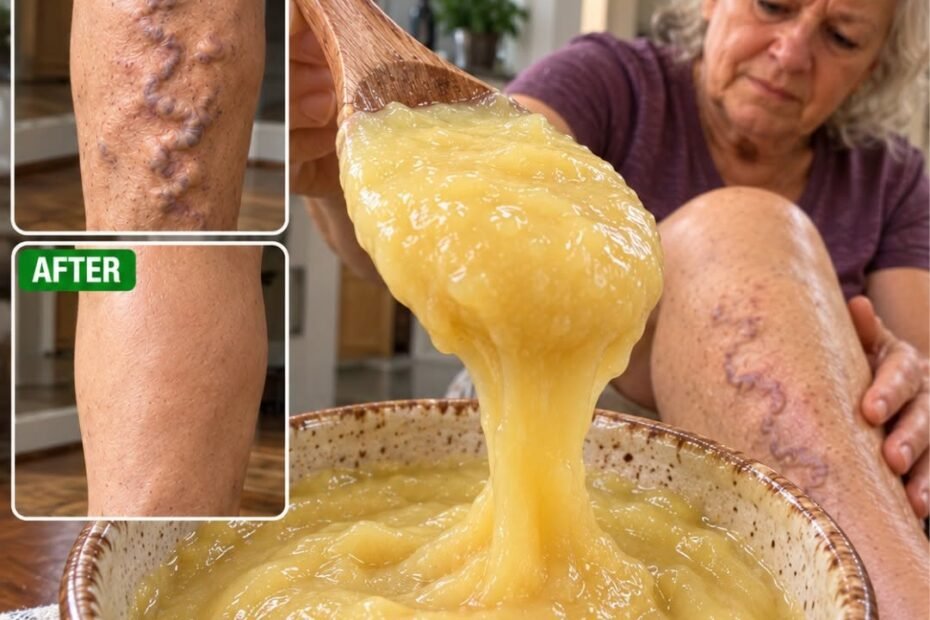
Varicose veins are a common condition that affects millions of adults, particularly as they grow older. These enlarged, twisted veins often appear on the legs and may look blue, purple, or raised beneath the skin. For some people, they are mainly a cosmetic concern. For others, they cause aching, heaviness, swelling, itching, or discomfort after standing for long periods. You may have seen online claims that a homemade mixture can eliminate varicose veins in just 36 hours without surgery. Although these promises can sound appealing, it is important to distinguish between remedies that temporarily soothe the skin and treatments that actually address damaged veins. There is no reliable medical evidence that a homemade paste or topical mixture can eliminate established varicose veins in 36 hours. However, several effective treatments can improve symptoms and reduce the appearance of affected veins without traditional surgery. In this article, we will explain what causes varicose veins, which home-care measures may help, and which medical treatments offer proven results. 1. What Are Varicose Veins? Your veins carry blood back toward your heart. In the legs, blood must travel upward against gravity, so veins rely on one-way valves and the surrounding muscles to help move it in the right direction. When these valves become weakened or damaged, some blood can flow backward and accumulate in the veins. This increases pressure and causes the veins to enlarge and become twisted. The result is a condition known as chronic venous disease, which can range from small visible veins to prominent varicose veins accompanied by swelling and skin changes. Common symptoms Varicose veins may cause: Some people have visible varicose veins without experiencing any discomfort. Others develop more significant symptoms that affect walking, sleep, or everyday activities. 2. Why Do Varicose Veins Develop? Several factors can increase the likelihood of developing varicose veins. Age: Vein walls and valves may become less effective as people grow older. Family history: Genetics can influence vein structure and the risk of developing venous disease. Pregnancy: Changes in blood volume and hormonal effects can contribute to vein enlargement. Prolonged standing or sitting: Remaining in one position for long periods can aggravate symptoms in susceptible individuals. Excess body weight: Additional pressure on the veins can contribute to venous symptoms. Previous blood clots: Certain venous conditions can damage valves and interfere with blood flow. Varicose veins are not necessarily caused by poor hygiene, a lack of exercise, or a particular food. They are primarily related to changes in the structure and function of the veins. 3. Can a Homemade Paste Remove Varicose Veins in 36 Hours? The image accompanying this article shows a thick yellow mixture and suggests that applying a simple treatment can make varicose veins disappear rapidly. However, the exact ingredients are not identified, and the image does not establish that the treatment works. A topical mixture may moisturize the skin or temporarily soothe irritation, depending on its ingredients. It cannot reliably repair damaged vein valves or eliminate the underlying blood-flow problem responsible for established varicose veins. Be particularly cautious about applying unknown mixtures containing concentrated essential oils, acids, irritating substances, or ingredients that may cause allergic reactions. A change in skin appearance is not the same as treating the underlying vein condition. If you want to reduce visible veins or relieve persistent symptoms, a healthcare professional can help you choose a treatment supported by medical evidence. 4. Five Home-Care Steps That May Help Relieve Symptoms See more on the next page